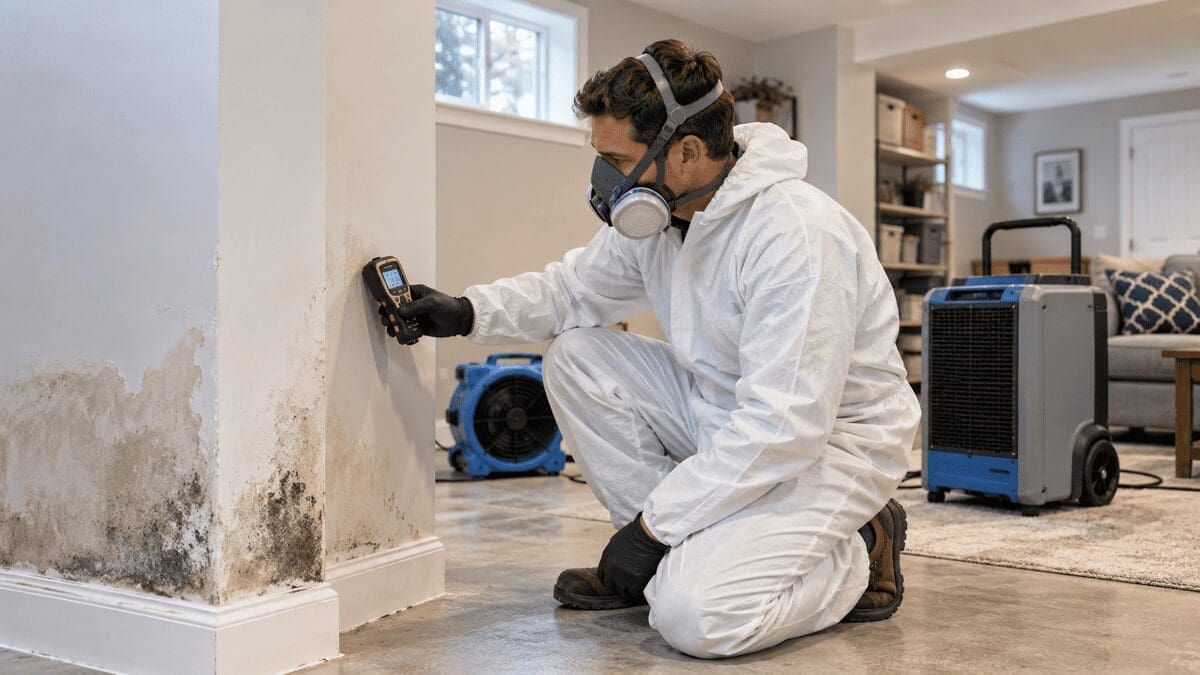
Water damage from a burst pipe, storm, roof leak, or basement flood can happen quickly. Water mitigation and restoration In Maryland are services that many homeowners confuse, but they are actually quite different. The homeowners of Maryland are able to act faster and cut back on their costs to repair due to the difference.
Understanding Water Mitigation
Often, water mitigation is the first step in preventing water damage. Mitigation is meant to reduce damage by any disaster event to less than what would be lost. Handle water mitigation as damage control. The goal is to extract water, dehydrate the damaged zone, and cease further harm. Mitigation aims to stop damage from increasing more rapidly.
Water damage mitigation is controlling damage. The focus is on taking the water out of your house and drying it up so further damage to your home does not occur.
What Happens During Water Mitigation?
Professional water mitigation services usually include:
- Emergency water extraction
- Removing standing water
- Drying floors, walls, and ceilings
- Dewatering affected areas.
- Put a stop to mold growth.
- Protecting furniture and belongings
- Boarding up damaged areas if needed
"Mitigation" refers to actions taken in relation to disaster. The earlier the process is initiated, the greater the possibility of preventing serious harm.
Example of Water Mitigation
Can you visualize waking up to a flooded basement? Water spreads across the floor, above the carpet, and below the drywall. A quick response team for water mitigation.
- Remove the water
- Dry the basement
- Prevent mold from forming
- Stop the damage from spreading
At this stage, the focus is not on rebuilding or replacing materials. The goal is simply to stabilize the property.
Understanding Water Restoration
Once the mitigation process is complete, water restoration is done. Restoration is repairing damaged or ruined places anywhere in your house.
Mitigation refers to actions that avoid damage; restoration refers to returning the property to its original state.
What Happens During Water Restoration?
Water restoration services may include:
- Drywall installation.
- Putting in new floors.
- Repairing the ceilings and walls.
- Painting and refinishing.
- Restoring Damaged Rooms
- Restoring structural components
Depending on the severity of the damage, restoration can involve minor repairs or major reconstruction.
Example of Water Restoration
After the basement in the earlier example is dried completely, restoration professionals may:
- Replace damaged carpet
- Install new drywall
- Paint the walls
- Repair wood framing
When Do Homeowners Need Water Mitigation Services?
Homeowners should contact mitigation services right after water damage takes place.
Common situations include:
- Burst pipes
- Flooded basements
- Roof leaks
- Overflowing appliances
- Storm damage
- Sewage backups
- Water heater leaks
The longer water is inside a home, the worse the damage becomes. Quick mitigation can prevent mold growth, lower repair costs, and protect the home's structure. Quick mitigation can prevent mold growth, save on the costs of repair and protect the structure of the home.
When Is Water Restoration Necessary?
Restoration becomes necessary once the water is removed and the property is fully dried.
Restoration is usually needed when:
- Drywall is damaged
- Flooring must be replaced
- Ceilings collapse
- Wood framing weakens
- Paint and finishes are ruined
- Structural repairs are required
Some small leaks may only require mitigation, but larger water damage situations often require complete restoration work.
Why Acting Quickly After Water Damage Matters
Homeowners waiting too long to react after water damage occurs is one of the biggest mistakes. For professional water mitigation and restoration in Maryland, prompt action can prevent the growth of mold, structural damage, and costly repairs.
Water spreads rapidly and continues damaging materials every hour it remains untreated.
Within the First 24 Hours
- Water soaks into drywall and flooring
- Furniture absorbs moisture
- Paint starts peeling
- Carpets become contaminated
After 48 Hours
- Mold growth may begin
- Odors develop
- Bacteria can spread
- Wood starts swelling
After One Week
- Structural damage worsens
- Materials may need full replacement
- Repair costs increase significantly
Fast action helps reduce both damage and expenses.
Common Causes of Water Damage Homes
Homes in Maryland experience water damage for many reasons throughout the year.
Heavy Rain and Storms
Seasonal storms can lead to roof leaks, overflowing gutters, and basement flooding.
Frozen or Burst Pipes
Cold winter temperatures in Maryland can cause pipes to freeze and burst unexpectedly.
Basement Flooding
Many homes experience basement flooding due to poor drainage or sump pump failures.
Appliance Leaks
Washing machines, refrigerators, dishwashers, and water heaters can leak over time.
Benefits of Hiring Professionals Instead of DIY Cleanup
Some homeowners try handling water damage themselves, especially after small leaks. However, DIY cleanup often misses hidden moisture that can cause future problems.
Professional Equipment
Restoration companies use industrial-grade pumps, air movers, and dehumidifiers that dry areas much faster than household equipment.
Hidden Moisture Detection
Professionals use moisture meters and thermal imaging tools to find water trapped behind walls and under flooring.
Mold Prevention
Proper drying techniques help prevent mold growth, which can start within 24–48 hours.
Structural Protection
Water weakens wood, drywall, and foundations. Professionals know how to prevent long-term structural damage.
Faster Recovery
Professional services reduce downtime and help homeowners return to normal faster.
The Importance of Mold Prevention
Mold is one of the biggest dangers after water damage. Even small amounts of hidden moisture can create the perfect environment for mold growth.
Why Mold Is Dangerous
Mold can:
- Damage walls and flooring
- Spread quickly through a home
- Create unpleasant odors
- Affect indoor air quality
- Trigger allergies and respiratory issues
Water mitigation plays a major role in preventing mold because proper drying removes excess moisture before mold can grow.
How Water Damage Affects Structural Integrity
Water damage does more than ruin surfaces. Over time, it can weaken the structure of a home.
Structural risks include the following:
- Rotting wood
- Weak flooring
- Damaged support beams
- Cracked drywall
- Ceiling collapse
The property’s structural integrity needs to be protected from severe damage with the help of mitigation and restoration.
Signs You May Need Water Mitigation and Restoration Services in Maryland
Homeowners must beware of signs of hidden water damage.
Signs include.
- Watermarks on any wall or ceiling
- Smelly odors.
- Peeling paint
- Warped flooring
- Mold spots
- Increased humidity indoors
- Visible leaks or standing water
Ignoring these signs can lead to much larger repair costs later.
Conclusion
By understanding water mitigation and water restoration, homeowners can take quick action. Mitigation prevents additional damage, while restoration fixes the damage. If you require expert assistance in Maryland, ManyWays LLC.
You can count on us to fix water damage with tried and true solutions to protect and restore your home.
Frequently Asked Questions
Are water mitigation and water restoration the same?
No. The distinction between water mitigation and water restoration is that mitigation prevents damage while restoration aids damaged areas.
How fast should one start mitigating water damage?
Initiation of mitigation must start immediately. Quick action prevents mold growth and minimizes structural damage.
Can I manage the cleanup of water damage on my own?
While minor leaks are manageable, it's critical to get any major water damage evaluated by an expert, who can check for hidden moisture, mold, and other issues.
Is water damage always in need of restoration?
Not every time. If there is only a little water damage, you will probably only need mitigation. But, if your home has flooded severely, you will probably need restoration work done after.
Duration of water restoration – how long?
How long will the barn restoration take? Minor installations may only take a few days, whereas bigger restoration could take weeks.
Mold prevention is vital post-water damage. Why?
In moist conditions, mold can spread relatively quickly. It can damage your property and affect indoor air quality and health.
Turn Your Basement Into a Space You’ll Love
A well-designed basement can add valuable living space to your home. From cozy family rooms to modern home offices or entertainment areas, smart basement remodeling ideas help maximize functionality, comfort, and style while increasing your home’s overall value.