By ManyWays LLC, MHIC #150485
When people call us about mold, they often use three words as if they mean the same thing: inspection, testing, and remediation. They don't. Mixing them up is how homeowners end up paying for a service they didn't need or skipping one they did.
Here is what each one is, in plain terms.
Mold inspection
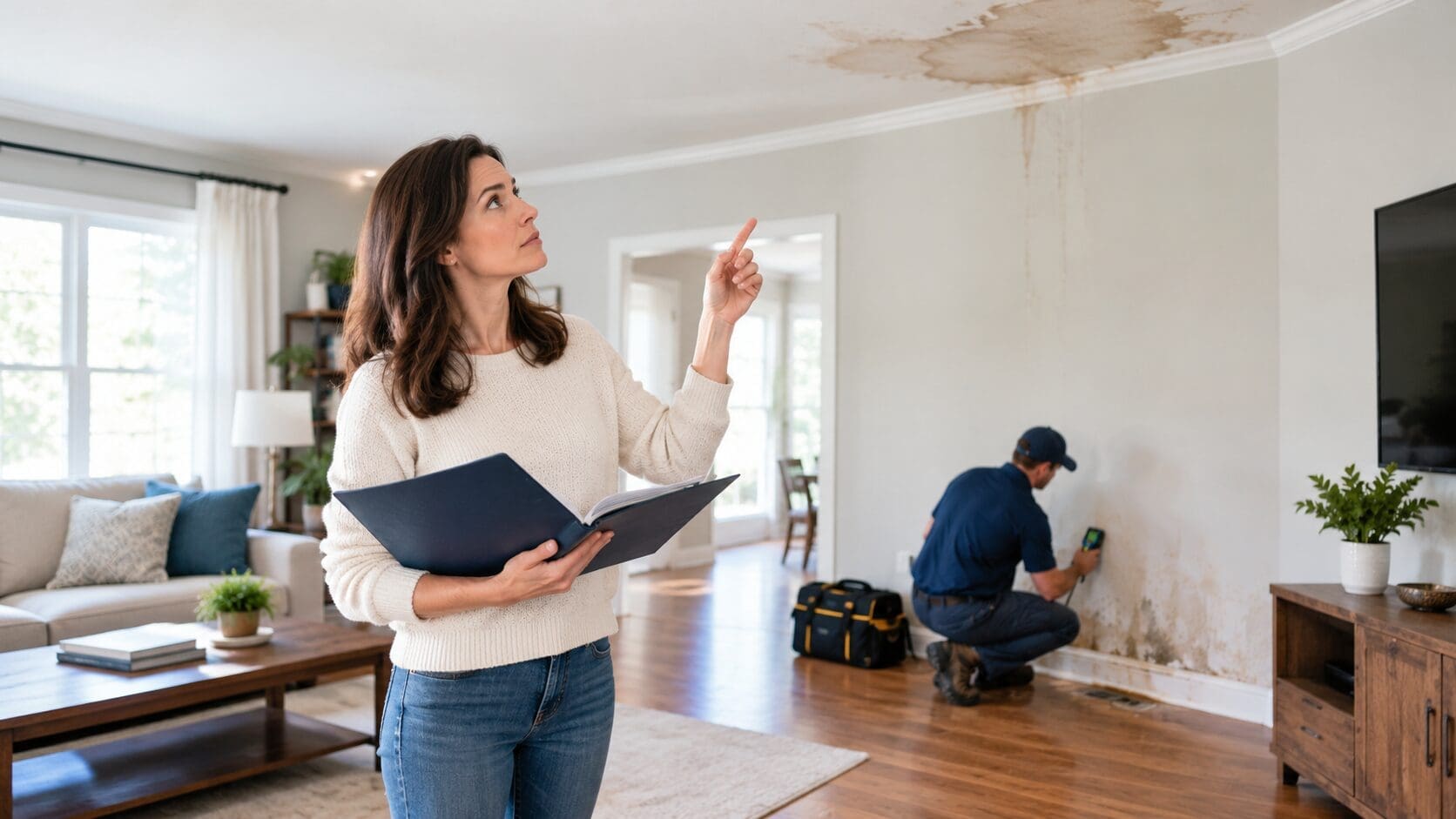
An inspection answers two questions: where is the moisture coming from, and how far has the mold spread?
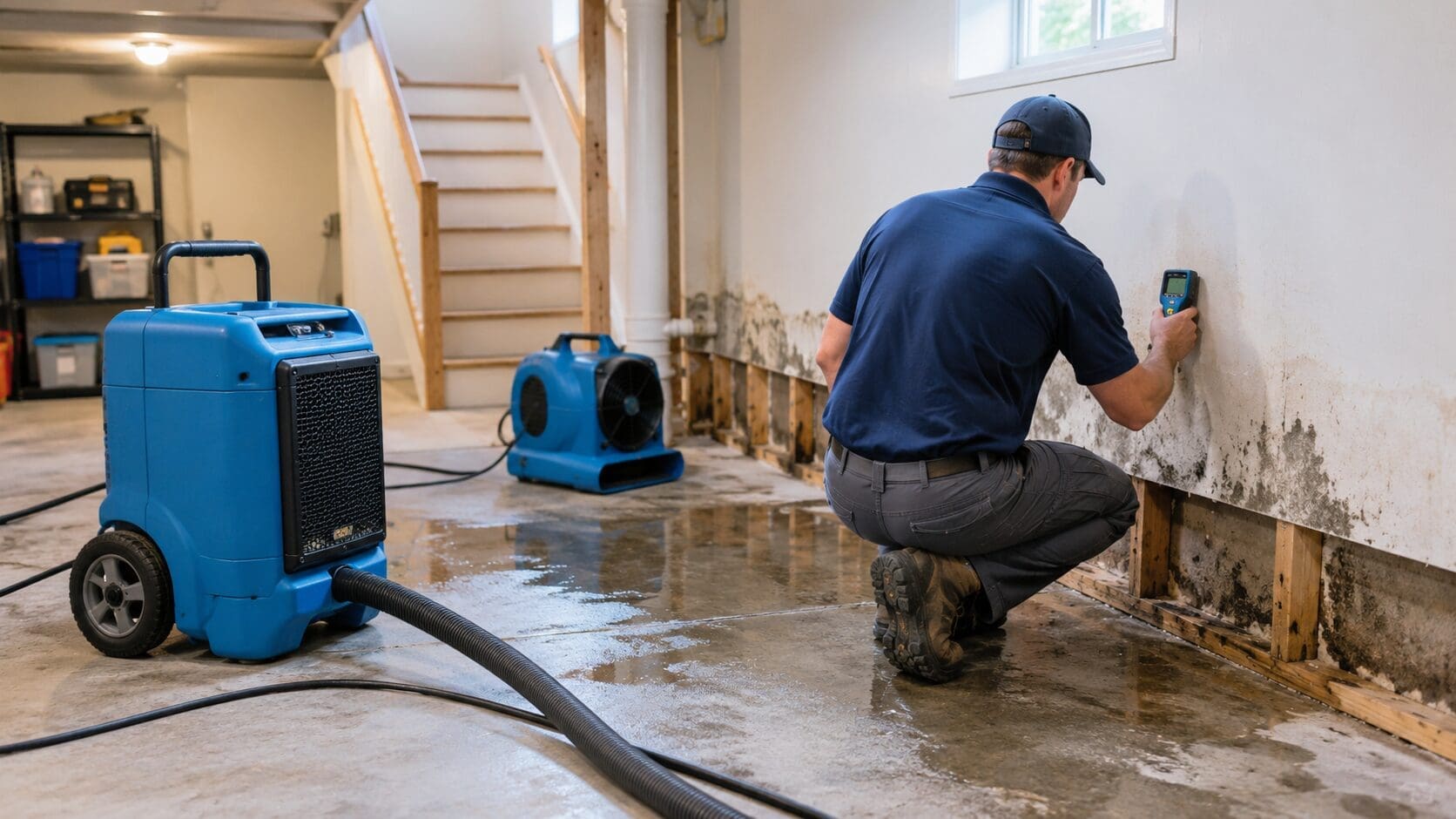
Someone walks through the property, looks at the visible growth, and checks the surfaces and structure with moisture meters and often an infrared camera. The goal is to find the water source and map the affected area.
This is the step that matters most. Mold is a symptom. The water is the cause.
Mold Testing
Testing means taking samples, either from the air or from surfaces, and sending them to a lab. The lab reports what types of mold are present and how much.
Here is the part many people don't hear: testing isn't always needed. If you can see or smell mold, you usually already know you have it. The CDC and EPA don't recommend routine sampling just to decide whether to clean something up, because the answer often doesn't change what you'll do. Mold you can see needs to be dealt with either way.
Testing is useful in specific cases:
- You smell mold but can't find it.
- Someone in the home has unexplained symptoms, and you want data.
- There's a dispute with a landlord, tenant, seller, or insurer, and you need a written record.
- You want proof that the work is finished (a clearance test after cleanup).
- A sample is only a snapshot of one spot at one time, so a result needs someone who can read it in context.
Mold Remediation
Remediation is the actual cleanup. A proper job looks like this:
Rebuild the removed areas.
You can see how we do this on our mold remediation page.
Which one do you need?
Your situation
- Small, visible spot on a hard surface, dry area
- Musty smell, no visible source
- Visible mold on walls, ceilings, or under floors
- Mold after a flood or long leak
- Finished cleanup, want proof
Likely Need
- Possibly none. See our guide on cleaning mold yourself.
- Inspection, maybe testing
- Inspection and remediation
- Inspection and remediation, plus water damage repair
- Clearance testing
What drives the cost?
We won't give a single number, because mold jobs vary too much. These are the factors that move the price:
- Size of the affected area. A small patch versus a whole wall or floor.
What it's growing on. Drywall comes out easily. Framing and subfloor take more work.
Where it is. A crawl space or attic is harder to work in than an open room.
How much has to be removed and rebuilt?
Whether the moisture source is fixed. A plumbing leak adds a repair job.
Testing. Lab samples are an added cost, and the number of samples changes the price.
Containment needs. Larger jobs need more setup.
Cost varies a lot from one mold job to the next, so we don't list set prices here. The fastest way to get a real number is a short inspection. We measure the affected area, find the moisture source, and write an itemized estimate. Estimates are free. Request one here or call (301) 605-2296.
Does insurance pay for mold?
Sometimes, but often with limits. Many policies cover mold only when it comes from a covered water event, and some cap the amount. Check your policy language. Our guide to homeowners insurance and water damage explains how that process usually works.
FAQs
Can you just test and tell me if it’s dangerous?
A test shows what's there and how much. It doesn't label a home safe or unsafe on its own.
How long does remediation take?
It depends on the size, but most jobs take a few days, plus the rebuild.
Need an inspection in the Gaithersburg area?
Call (301) 605-2296 or request a free estimate.
The bigger picture
If mold appeared after a leak or flood, the full job may include water damage repair as well. Cost and timing are covered in how fast mold grows after water damage.